
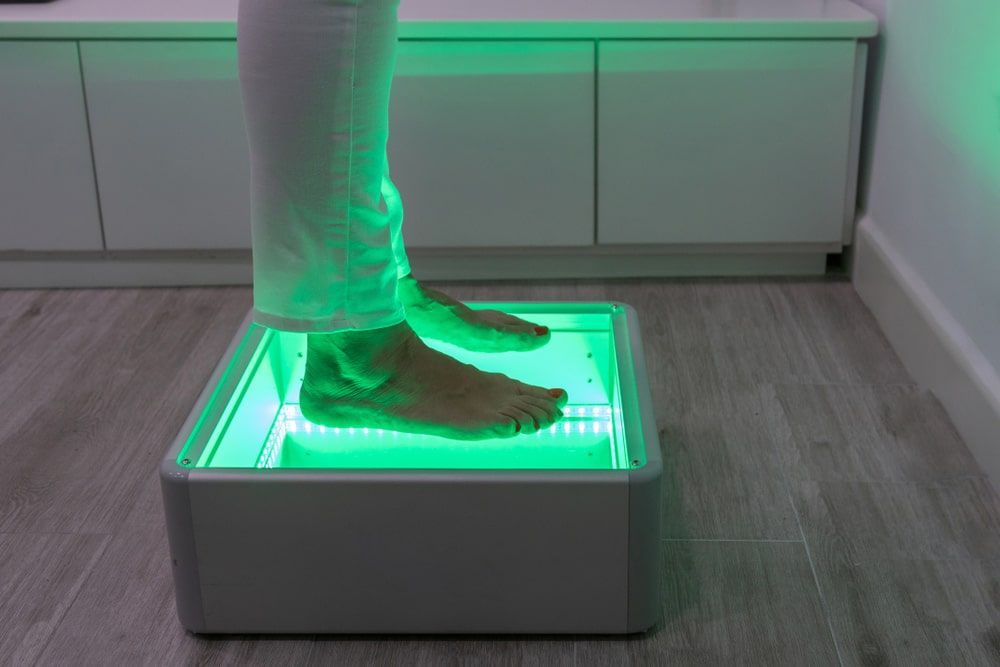
3D scanning technology has created new ways of developing custom orthotics over recent years. 3D foot scanners aren't a necessary stage of modern orthotics, as you can still effectively use plaster of Paris, but they can offer a number of benefits to podiatrists and their patients which can improve the quality of care on offer when prescribing custom orthotics.
What Is a 3D Foot Scan?
A 3D foot scan uses various technologies to create a digital image or 'footprint' of the foot in 3D. There are a few different types of 3D foot scanners, with some using lasers or infrared light, and others using a 3D pin matrix to map the contours of the feet.
What Are the Benefits of a 3D Foot Scan?
3D foot scans are extremely accurate—within 0.4mm of accuracy. A 2014 study showed that 3D foot scanners demonstrated more accuracy than many other methods. Compared to traditional casting methods, 3D foot scanners are environmentally friendly, resulting in less material waste. They're also extremely fast and efficient, which enables the podiatrist to spend more time assessing the patient. As it is a digital 3D image of the foot, this allows the foot scan to be emailed to the orthotic laboratory, which may be interstate.
How 3D Foot Scans Are Used in Orthotics
3D foot scanners allow podiatrists to quickly and accurately scan the feet to create custom orthotic devices tailored to the patient's individual foot. Not only does this streamline the work of orthotics, but it produces better quality results and a more comfortable solution for the patient.
At Swan Podiatry, our professional podiatrists use the latest 3D scanning technology to produce an accurate digital footprint to ensure a precise and comfortable fit when prescribing custom orthotics. To find out more about our foot scanning and other podiatry services in Darwin, please contact us today.